Life is fascinating, isn’t it? It’s remarkably hard to predict.
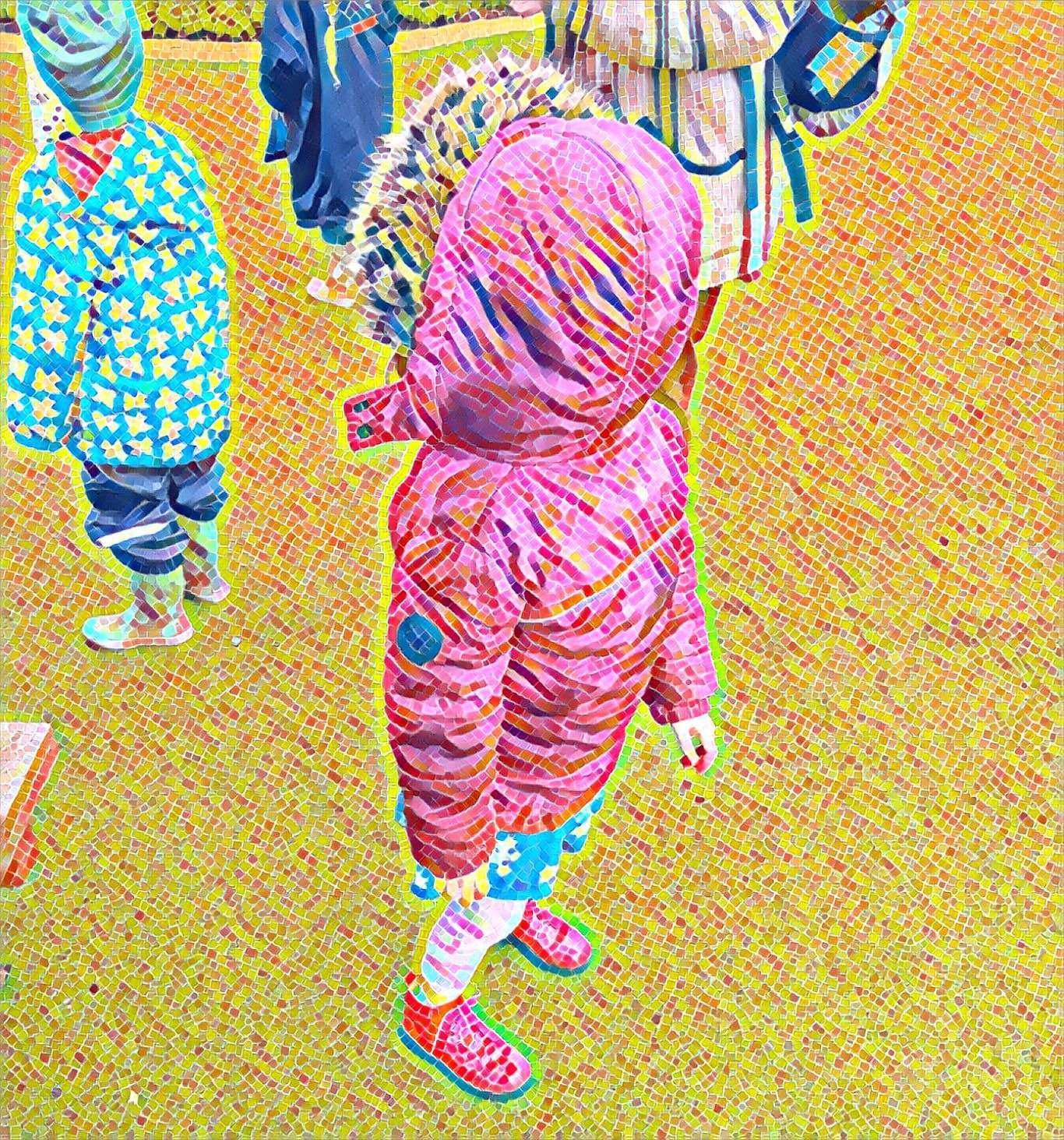
In one moment it can hand you something beautiful. For example, before I began writing this, I put my daughter to bed, and she got out of bed again because she’d had an idea. She came back a few minutes later with Blu Tack all over her hands and announced that her name is now Sticky Claws. Then she demonstrated that she can pick anything up with her sticky hand claws, using a pencil as proof. I knew immediately that Sticky Claws was a force to be reckoned with.
And that’s the thing about life. In one breath it hands you Sticky Claws. In the next it hands you something that knocks you sideways.
It could be something small, like the fact I burnt my toast this morning and then dropped it on the floor, peanut butter side down (do you realise how hard it is to clean up peanut butter?). Or it could be an existential crisis, which I seem to have at least once a week. Or it could be something completely out of your hands, like some maniac tyrant bombing a country, killing innocent people, and the economy collapsing around you while he’s at it.
Living with that kind of unpredictability has given me a belief that has cemented itself in my top three (I have a top twenty-two). It’s this: if someone in your life mocks you, picks at you, laughs at your dreams and ideas, or dims your light in any way, then keeping them close will cost you. It will cost the people who love you. And by default it will cost the world your true gifts.
Most of us know this. But knowing it and doing something about it are two different things, and doing something about it is one of the hardest things we can ever try. I certainly haven’t finished. By my own imperfect maths I’m about 90 per cent of the way there, which leaves the last 10 per cent, and the last 10 per cent is stuck for complicated reasons I won’t go into here.
This belief came to me from a beautiful friend of mine, Ross Hillard. At one point in my life I was spending a lot of time around people, two in particular, who just dimmed my light. I found it mortally sad. I wasn’t myself, and because I wasn’t myself, I wasn’t at my best in the world. (Please note there’s no sob story here. That’s just a true reflection of what was going on.)
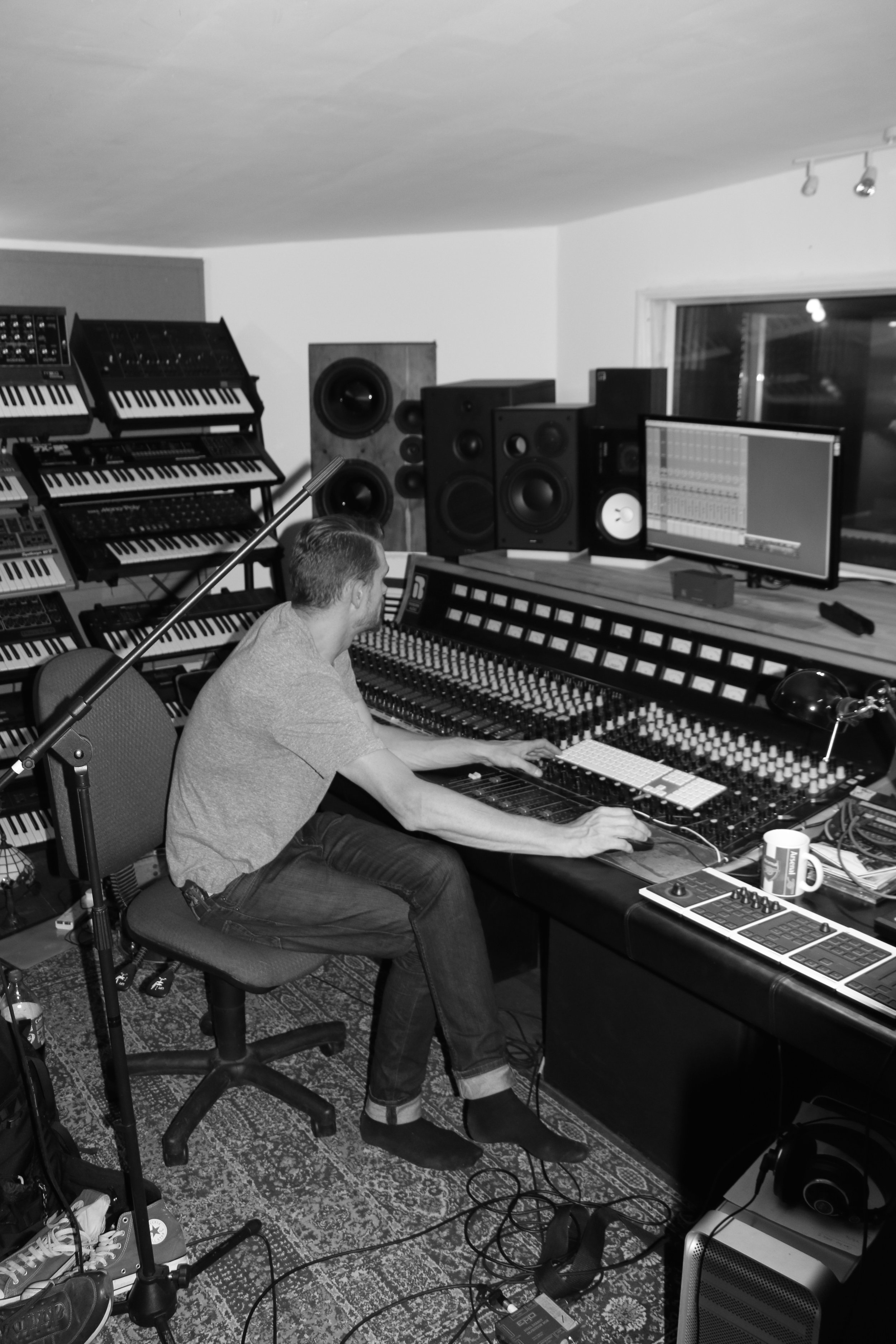
Ross is a remarkable songwriter, musician, engineer, and producer. You can check out his music here.
Every so often, Ross and I have a call that goes to the depths. I appreciate him so much for this. He was really there for me during that tough period, and after hearing me process what was happening, he said, with great conviction and love, “Mate, never, ever let someone dim your light.”
I have many faults. I could write a book about them (not that I would, because it would be a terrible book, for at least nine reasons). But I do know that I have an aptitude for brightness. Aptitude is a word I’ve just been reading about in the wonderful book Finding Your Element by Ken Robinson (a shining light himself, who gave my favourite ever TED talk).
Aptitudes are the natural gifts we’re born with, and that’s an interesting point in itself. Some people’s gift is sport. For others it’s art, or caring for people, or being funny. And for some people it’s scepticism: being the one in the room who really thinks critically.
I put that one last because it’s important. When I talk about people who dim your light, I don’t mean people who challenge you. Far from it. You should surround yourself with people who challenge you, because we all make mistakes and we all need challenging. But people who really love you challenge you from a place of care and love, because they believe in you and want the best for you. There’s a big difference between someone challenging you from a place of care and someone criticising you from a place of cynicism. You will feel which one it is in every fibre of your body.
It can be complicated to accept that the person bringing you down may well be doing so from a place of absolute unconsciousness, and most likely because of some shadow in them that has nothing to do with you. So if you can be loving towards them, do that. People say kill them with kindness. You shouldn’t kill anybody. But do your best to let your light shine on them.
Sometimes, though, we have to accept that some people won’t change, and that we need to detach ourselves from them. Life is precious and short, even when you’re lucky enough to live for many years. Sometimes it’s shorter, for reasons often beyond our control. That’s why I believe, more than almost anything, that the world needs your light while you’re here to give it.
If you ever doubt that, visit a children’s ward and see the parents sitting beside the beds. Think of how fiercely they hold on to every moment of that child’s life. Nobody in that room needs convincing of how much one person’s light is worth.
So here’s an exercise. Imagine, just for a moment, that you weren’t here tomorrow. Think of the people who’d gather. What would they say about you? The lovely things, the daft things, the things they appreciate about you that they’ve never quite got round to telling you. That’s your light. That’s what the people who love you can see, even on the days when you can’t.
Then think about who in your life dims that light, and what you might do about it.
Sticky Claws is asleep now, I think, although Sticky Claws, like life, is remarkably hard to predict. What I will say is this. Our beautiful daughter is six years old, and every moment of her life has been pure light and love. Our great privilege as parents is never to let her beautiful light dim, and to celebrate her every single day. You see it in all children. Their light just shines, and it’s only the world around them- sometimes parents, sometimes teachers, sometimes others- that slowly dims it. There is no greater tragedy.
Look after your light. The world needs it.
Thank you for reading. Take care of yourself and others.
Much love,
Benjamin